
Last year I wrote about differences I had observed in how men and women engage with recruiters. A year on, those observations still stand.
Men, in my experience, are generally more comfortable building relationships with recruiters before they are actively considering a move. They will benchmark compensation, test the market, ask who is hiring and simply stay informed.
Women tend to be more cautious. They are often juggling more competing demands and, perhaps because of previous experiences, can be more wary of recruiters. They are therefore less likely to have informal market conversations unless they are seriously considering a move.
That matters because having someone who understands the market and different platforms can be valuable long before a decision to move is made.
Lately I have also been reflecting on something else: how much age changes the career conversation. Years of conversations with partners and senior lawyers, first as a coach and now as a recruiter, have given me a fascinating window into how career priorities evolve over time.
AGE CHANGES THE CONVERSATION
The conversation I have with a 35-year-old partner is very different from one I have with someone in their 50s or 60s.
Not because ambition disappears, but because the questions can change.
How much longer do I want to work? What do I want from the next stage? How important are growth, income and status compared with autonomy, flexibility, intellectual engagement or a sustainable pace?
WHAT PEOPLE WANT FROM PARTNERSHIP CHANGES
Partnership remains an extraordinary professional achievement, and for many lawyers it remains an important part of what they want from their careers.
But priorities can change. For some, the focus is on building and growing a practice. For others, it may increasingly be about culture, autonomy, leadership or a more sustainable way of working.
The interesting question is not necessarily whether someone still wants to be a partner. It is what they want partnership to look like at this stage of their career.
PEOPLE OFTEN THINK ABOUT CHANGE LONG BEFORE THEY MOVE
The decision to move rarely starts with a CV. It starts with a thought. A conversation with a recruiter can be about much more than a vacancy: understanding the market, testing whether there might be a better fit, and thinking carefully about what someone needs from their next platform.
The best recruitment conversations are about more than simply moving firms. They are about understanding ambition, identity, timing and what someone needs from the next stage of their career, and, when the right opportunity exists, connecting them with a firm where they can thrive.
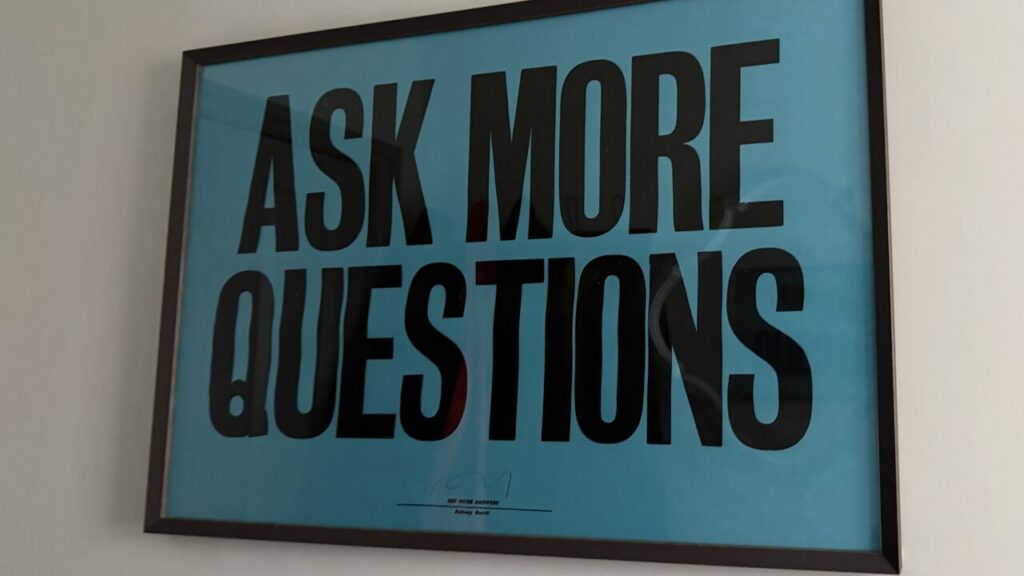
Ask more questions.
Perhaps that is one of the most useful lessons my work with lawyers has taught me.